
Prepare the product brief
Include style, fit, fabric, GSM, colours, size chart, artwork, labels, packing and target quantity. Clear references reduce sampling changes.
A step-by-step guide to labels, samples, packing and production for clothing brands.
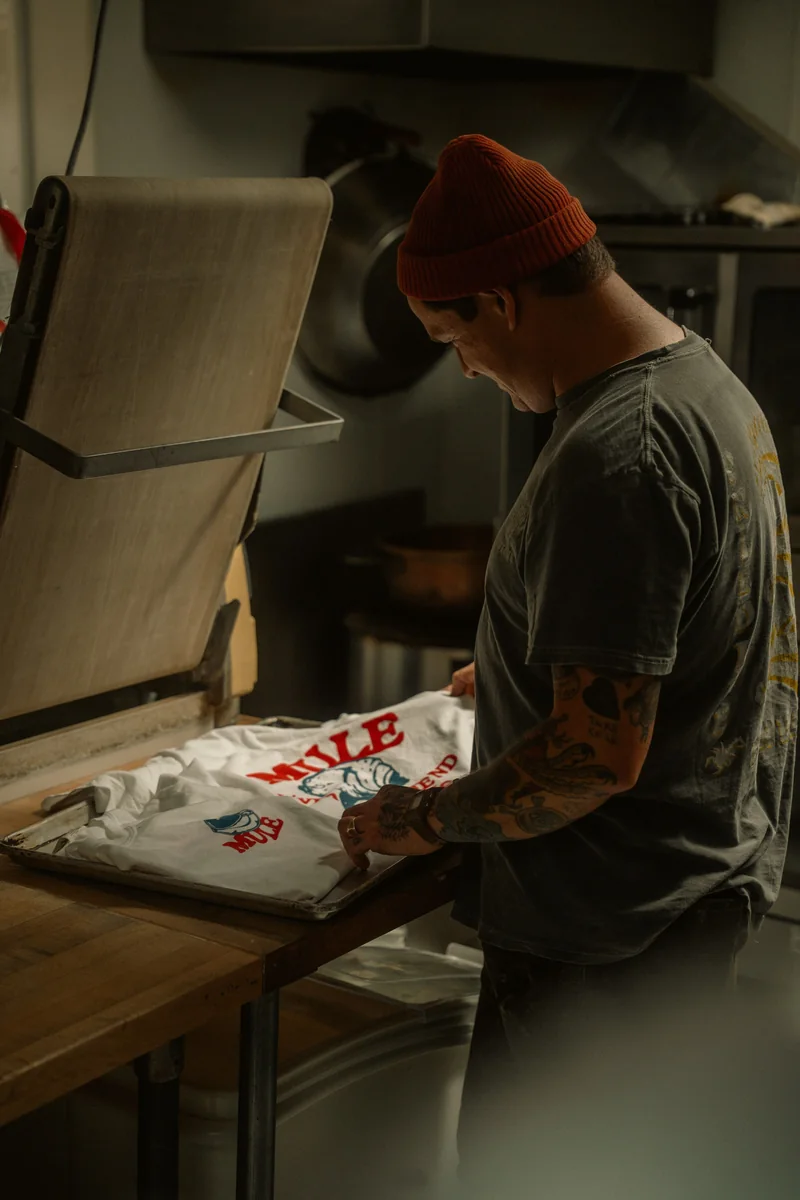
Private-label manufacturing allows a brand to sell garments under its own identity. The manufacturer produces the garment according to approved specifications and applies the requested branding elements.
Include style, fit, fabric, GSM, colours, size chart, artwork, labels, packing and target quantity. Clear references reduce sampling changes.
A sample confirms fit, measurements, construction and branding placement. Record every approved detail in a specification sheet.
Main label, size label, wash-care label, hang tag, barcode sticker, polybag and carton marks should be final before bulk packing.
Start with one or two core styles and a controlled colour range. Approve the physical sample and all trims before bulk production. Keep one sealed approved sample as the production reference.
Use this private label T-shirt manufacturing as a planning framework, then confirm the final fabric, construction, branding and production details through a physical sample. Written specifications and an approved reference reduce avoidable changes during bulk manufacturing.
A manufacturer produces T-shirts to an approved specification and applies the buyer’s brand identity through labels, artwork, trims and packaging.
Share the style, fit, fabric, GSM, colours, size chart, artwork, branding details, target quantity, packing needs and delivery location.
The approved sample becomes the reference for measurements, construction, colour, branding placement and finish during bulk production.
Tell us the fabric, GSM, style, quantity, printing or embroidery needs and required delivery location.
Request DetailsShare your garment type, fabric, GSM, quantity, printing and embroidery requirements. Our team will help you choose suitable production options.